In today’s digital world, healthcare has gone mobile but at a cost. Patients and doctors often find themselves juggling multiple healthcare apps: one for doctor appointments, another for lab reports, a separate one for prescriptions, and yet another for pharmacy orders. Instead of simplifying healthcare, this fragmentation often creates confusion, delays, and errors.
If managing your health feels overwhelming because of too many disconnected apps, you’re not alone. The good news? There’s a smarter, integrated healthcare solution designed to bring everything together on one platform.
Too Many Apps, Too Little Clarity
1. Fragmented Health Records
When your medical data is spread across different apps, important information like past prescriptions, lab results, and doctor consultations gets scattered. This makes it difficult for doctors to see your complete health history, increasing the risk of misdiagnosis or repeated tests.
2. Poor Coordination Between Doctors, Labs, and Pharmacies
Often, doctors prescribe tests, labs upload reports elsewhere, and pharmacies receive prescriptions on a separate system. This lack of integration leads to:
- Delayed test results
- Prescription errors
- Missed follow-ups
3. Increased Time and Effort
Switching between apps, remembering multiple logins, and tracking notifications from different platforms wastes time for both patients and healthcare providers.
4. Missed Follow-Ups and Poor Treatment Adherence
With no single system sending reminders or tracking progress, patients often miss:
- Follow-up appointments
- Medication schedules
- Preventive health check-ups
This directly affects treatment outcomes.
An Integrated Health Management Platform
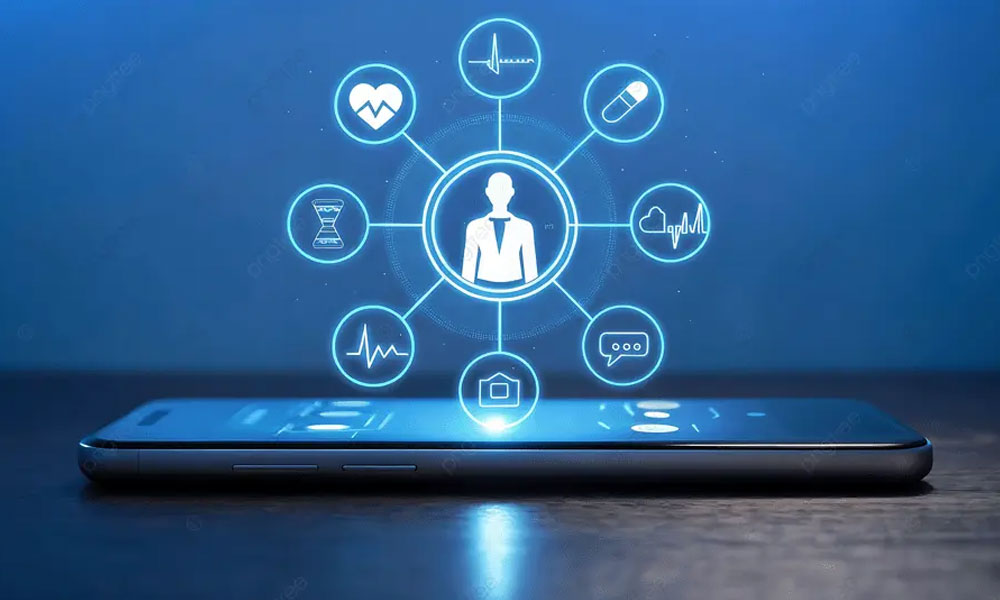
An integrated healthcare system connects doctors, patients, laboratories, and pharmacies on a single digital platform ensuring seamless communication and continuity of care.
1. One Platform for All Healthcare Needs
From booking appointments to accessing lab reports and ordering medicines, everything is available in one secure app or portal. No more app-hopping or lost information.
2. Unified Health Records
All medical data consultations, investigations, prescriptions, and reports are stored in one place. This allows doctors to make better, faster, and more accurate clinical decisions.
3. Real-Time Lab and Pharmacy Integration
- Doctors receive lab reports instantly
- Pharmacies get digital prescriptions without errors
- Patients can track test status and medication orders in real time
This improves efficiency and reduces delays.
4. Automated Alerts and Reminders
Integrated platforms send smart notifications for:
- Follow-up visits
- Medication schedules
- Pending lab tests
- Preventive health screenings
This ensures better compliance and improved health outcomes.
5. Improved Data Security and Privacy
Unlike multiple unsecured apps, an integrated system follows standardized data protection protocols, ensuring patient information remains safe and confidential.
Why Integrated Healthcare Is the Future
Healthcare works best when all stakeholders are connected. An integrated health management system:
- Reduces medical errors
- Saves time and cost
- Improves patient experience
- Enhances clinical efficiency
- Supports preventive and personalized care
As healthcare becomes more data-driven, integration is no longer optional—it’s essential.
How an Integrated Health Platform Transforms Your Experience
Imagine a healthcare journey where:
- Your doctor sees your complete health history instantly
- Lab reports are available the moment they’re ready
- Prescriptions go directly to the pharmacy
- You never miss a follow-up or medication
That’s the power of an integrated health management system.
The good news? There’s a smarter, integrated healthcare solution designed to bring everything together on one platform.
MAI Health Your one stop Health Solution.