What is Hypertension?
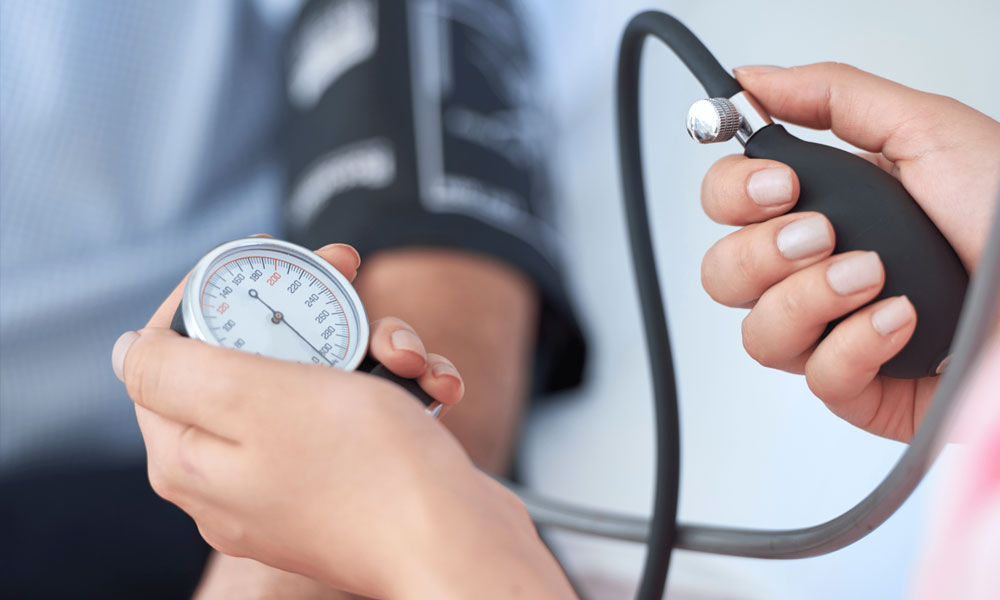
Hypertension, or high blood pressure, is a condition in which the force of blood pushing against the walls of your arteries remains consistently high. Blood pressure is measured using two numbers:
- Systolic pressure (upper number): pressure when the heart beats
- Diastolic pressure (lower number): pressure when the heart rests
A normal reading is around 120/80 mmHg. When readings consistently stay above 140/90 mmHg, a person is diagnosed with hypertension.
Why is Hypertension Called a “Silent Killer”?
Most people with high blood pressure do not feel any symptoms for years. However, during this silent phase, hypertension slowly damages vital organs such as:
- Heart (leading to heart attack and heart failure)
- Brain (causing stroke)
- Kidneys (resulting in kidney failure)
- Eyes (leading to vision loss)
Many patients first discover hypertension only after a serious complication occurs.
Causes and Risk Factors
Common contributors include:
- High salt and processed food intake
- Obesity and physical inactivity
- Chronic stress
- Smoking and alcohol consumption
- Family history
- Diabetes and kidney disease
Symptoms (When Present)
Although often symptomless, some people may experience:
- Headaches
- Dizziness
- Chest discomfort
- Shortness of breath
- Fatigue
These symptoms usually appear late, making regular screening essential.
Diagnosis and Monitoring
Diagnosis requires repeated blood pressure measurements over time. Home monitoring plays a key role, as blood pressure can fluctuate due to stress or activity.
Treatment and Long-Term Management
Hypertension is manageable but not curable. Treatment includes:
- Lifestyle changes (diet, exercise, stress management)
- Reducing salt intake
- Weight control
- Regular medication as prescribed by a doctor
- Continuous monitoring and follow-up
Early control significantly reduces the risk of life-threatening complications.
How MAI HEALTH Helps in Hypertension Care
MAI HEALTH offers a connected healthcare ecosystem where patients can:
- Log and track blood pressure readings regularly
- Receive medication reminders and health alerts
- Consult doctors digitally for timely advice
- Access diagnostic labs and pharmacies seamlessly Doctors can monitor trends remotely and intervene early – ensuring safe, continuous, and personalized hypertension care.