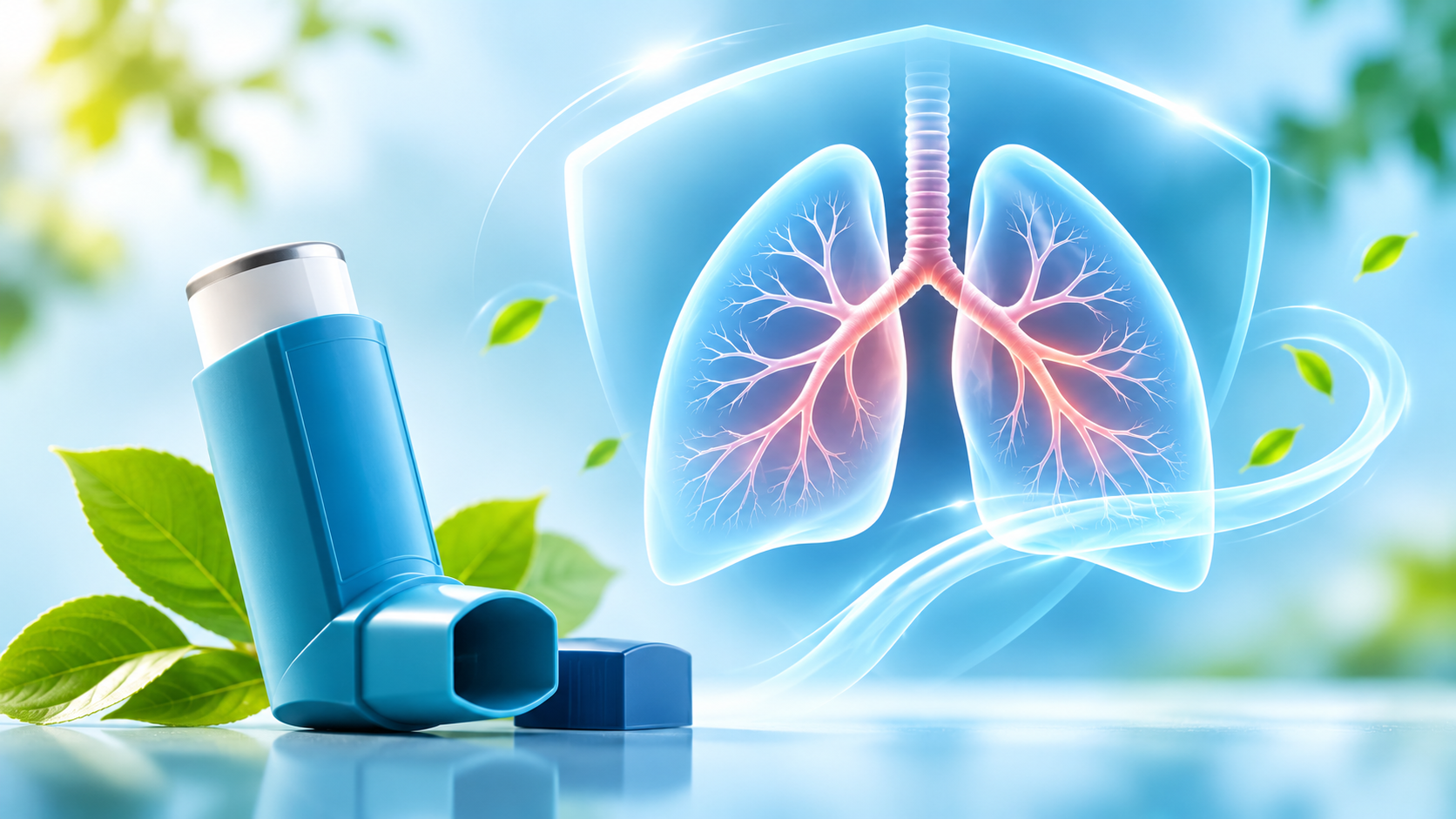
Asthma is a chronic respiratory condition that affects the airways in the lungs, making breathing difficult. It occurs when the airways become inflamed, swollen, and sensitive to certain triggers, sometimes leading to narrowing of the air passages and increased mucus production.
Asthma can affect people of all ages, including children and adults. Understanding its causes, triggers, symptoms, potential complications, and available treatment options can help individuals manage the condition and maintain better respiratory health.
1. What Is Asthma?
Asthma is a chronic inflammatory disease of the airways that causes them to become sensitive and narrow in response to certain triggers. This can make it difficult for air to move in and out of the lungs.
Common triggers include dust, pollen, air pollution, smoke, respiratory infections, cold air, exercise, and certain allergens.
Asthma symptoms may vary in severity and frequency. Some individuals experience occasional breathing difficulties, while others may have persistent symptoms requiring regular medical treatment.
2. Why Is Asthma a Serious Health Issue?
Asthma is more than an occasional breathing problem. If left uncontrolled, it can interfere with daily activities, sleep, physical activity, and overall quality of life.
Poorly controlled asthma may lead to:
- Severe asthma attacks: Sudden worsening of symptoms that may require emergency medical attention.
- Reduced lung function: Persistent airway inflammation may affect breathing and respiratory health.
- Sleep disturbances: Night-time coughing, wheezing, and breathlessness can disrupt sleep.
- Limitations in daily activities: Breathing difficulties may affect exercise, work, and routine activities.
- Respiratory emergencies: Severe attacks can become life-threatening without timely treatment.
Early diagnosis, appropriate medication, and regular monitoring can help control asthma and reduce the risk of severe attacks.
3. What Are the Common Triggers of Asthma?
Asthma triggers are substances, environmental conditions, or activities that can cause asthma symptoms or worsen existing airway inflammation. Triggers differ from person to person, and identifying them is an important part of asthma management.
Common asthma triggers include:
- Dust and dust mites: Household dust, mattresses, carpets, and soft furnishings may contain allergens that trigger asthma symptoms.
- Pollen: Pollen from trees, grasses, and flowers can cause allergic reactions and breathing difficulties in sensitive individuals.
- Air pollution: Vehicle emissions, industrial pollutants, and poor air quality can irritate the airways.
- Smoke and tobacco: Cigarette smoke, second-hand smoke, incense, and firewood smoke can worsen asthma symptoms.
- Mould and dampness: Exposure to mould spores in damp environments may trigger respiratory symptoms.
- Pet dander: Proteins present in pet skin flakes, saliva, and urine can trigger allergic asthma.
- Respiratory infections: Viral infections such as the common cold and flu can worsen asthma symptoms.
- Cold air and weather changes: Sudden temperature changes and cold, dry air may trigger breathing difficulties.
- Physical activity: Exercise can trigger asthma symptoms in some individuals, particularly without appropriate asthma control.
- Strong smells and chemicals: Perfumes, cleaning products, paints, and chemical fumes may irritate sensitive airways.
- Stress and strong emotions: Intense emotional responses, laughing, or crying may trigger symptoms in some individuals.
- Certain medications: Aspirin, other non-steroidal anti-inflammatory drugs (NSAIDs), and beta-blockers can worsen asthma in some susceptible individuals.
Important: Not everyone with asthma reacts to the same triggers. Keeping track of symptoms and possible exposures can help identify personal triggers and support better asthma control.
4. Precautions for Asthma
Asthma cannot always be prevented, but avoiding known triggers and following appropriate treatment can help reduce symptoms and improve respiratory health.
Important measures include:
- Avoid allergens: Minimize exposure to dust, pollen, mould, and other known allergens.
- Stay away from smoke: Avoid cigarette smoke, second-hand smoke, and indoor air pollutants.
- Maintain indoor air quality: Keep living spaces clean, well-ventilated, and free from excessive dust.
- Exercise safely: Stay physically active while following medical advice and using prescribed preventive medication when required.
- Prevent respiratory infections: Maintain good hygiene and discuss recommended vaccinations with your healthcare professional.
- Follow prescribed treatment: Use inhalers and other medications as directed.
- Monitor symptoms: Recognize early warning signs and follow your prescribed asthma action plan.
Lifestyle adjustments and proper medication adherence can help individuals maintain better asthma control.
5. Signs and Symptoms of Asthma
Asthma symptoms can vary from person to person and may range from mild to severe.
Common signs and symptoms include:
- Shortness of breath or difficulty breathing.
- Wheezing (a whistling sound while breathing).
- Persistent or recurring coughing, especially at night or early morning.
- Chest tightness or discomfort.
- Difficulty breathing during physical activity.
- Symptoms that worsen after exposure to dust, smoke, pollen, or cold air.
Some individuals experience symptoms occasionally, while others may have frequent episodes. Symptoms can also worsen suddenly during an asthma attack.
Warning signs: Severe breathlessness, difficulty speaking, or bluish lips require immediate emergency medical attention.
6. Complications of Asthma
Uncontrolled asthma may increase the risk of several health complications, including:
- Severe asthma attacks: Sudden and significant narrowing of the airways can cause serious breathing difficulties.
- Reduced lung function: Poorly controlled inflammation may affect normal respiratory function.
- Sleep problems: Night-time symptoms can lead to disturbed sleep and daytime fatigue.
- Respiratory infections: Respiratory infections can trigger asthma symptoms and worsen existing inflammation.
- Hospitalization: Severe asthma episodes may require emergency treatment or hospital admission.
- Impact on quality of life: Persistent symptoms can affect physical activity, work, education, and emotional well-being.
Regular medical assessment and appropriate treatment can help prevent complications and improve long-term asthma control.
7. How Is Asthma Diagnosed?
There is no single test that confirms every case of asthma. A healthcare professional evaluates the individual’s symptoms, medical history, physical examination findings, and breathing function.
Depending on the clinical situation, the assessment may include:
- Medical history and physical examination: To understand breathing difficulties, coughing, wheezing, allergies, and possible triggers.
- Spirometry: A lung function test that measures how much air a person can breathe out and how quickly.
- Bronchodilator response test: Helps assess whether lung function improves after using a bronchodilator medication.
- Peak expiratory flow measurement: Measures how quickly air can be forced out of the lungs.
- Allergy testing: May help identify specific allergens that trigger asthma symptoms.
- Additional investigations: Other tests may be recommended to rule out conditions that cause similar respiratory symptoms.
Diagnosis is based on a combination of clinical assessment and objective evidence of variable airflow limitation.
Consult a qualified healthcare professional for an accurate diagnosis and an individualized treatment plan.
8. Management and Treatment of Asthma
Asthma is a long-term condition, but its symptoms can often be effectively controlled with appropriate treatment and lifestyle modifications.
Treatment depends on the individual’s age, symptom severity, frequency of asthma attacks, and overall health.
Management options may include:
- Inhaled corticosteroids: Help reduce airway inflammation and prevent asthma symptoms.
- Bronchodilators: Help relax the muscles surrounding the airways and improve airflow. The type of inhaler depends on the individual’s treatment plan.
- Combination inhalers: May contain both anti-inflammatory and airway-relaxing medications.
- Trigger management: Identifying and avoiding personal asthma triggers can help reduce symptom flare-ups.
- Asthma action plan: A personalized plan helps individuals understand daily treatment, recognize worsening symptoms, and know when to seek medical attention.
- Regular monitoring: Follow-up consultations and lung function assessments help evaluate asthma control and adjust treatment when necessary.
Asthma treatment should always be individualized. Do not stop prescribed inhalers or change medication doses without consulting a healthcare professional.
9. How MAI HEALTH Helps in Asthma Management
MAI HEALTH supports connected and continuous healthcare by helping patients and healthcare professionals manage important aspects of long-term care.
The platform can support:
- Digital health records: Keep important health information, previous consultations, and medical history organized and accessible.
- Appointment management: Help patients schedule consultations and regular follow-up visits.
- Prescription management: Access digital prescriptions and prescribed medication information.
- Clinical reports: Keep relevant medical reports and diagnostic records together.
- Secure communication: Support communication between patients and healthcare professionals.
For individuals managing asthma, these features can help organize health information, support regular follow-ups, and improve continuity of care.
MAI HEALTH complements professional medical care and does not replace consultation, diagnosis, or treatment by a qualified healthcare professional.